
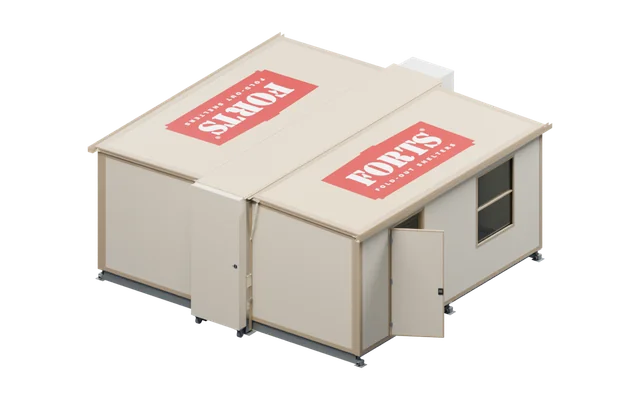
 FORTS 38
 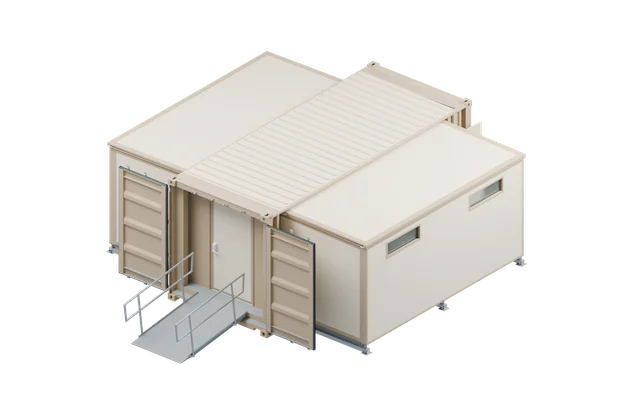 C-FORTS 96
 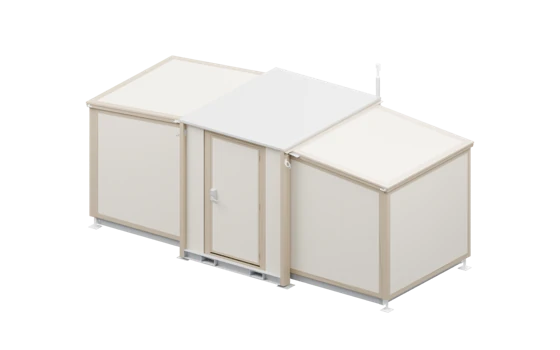 ACE 463L
 Facility planning
Choosing a Transport Plan for Rapid Deployment Shelters
A folding shelter’s transport plan begins before the truck is booked. The equipped building, receiving site and available handling resources affect how it arrives and moves into position. Working through those choices during specification helps prepare for the first delivery and later assignments.
Originally published · Updated
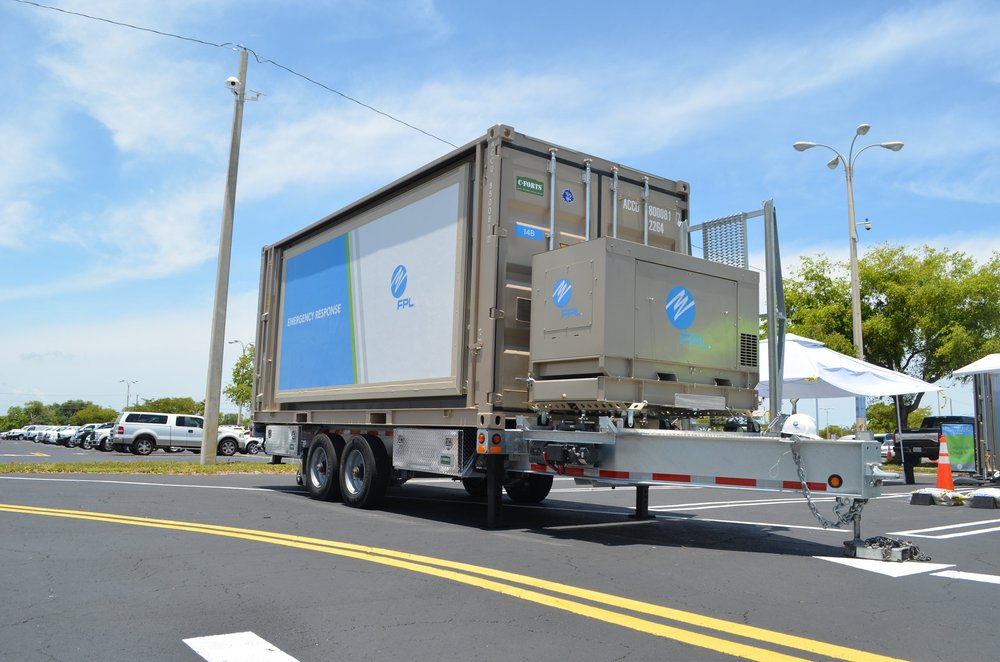
Start with the equipped configuration
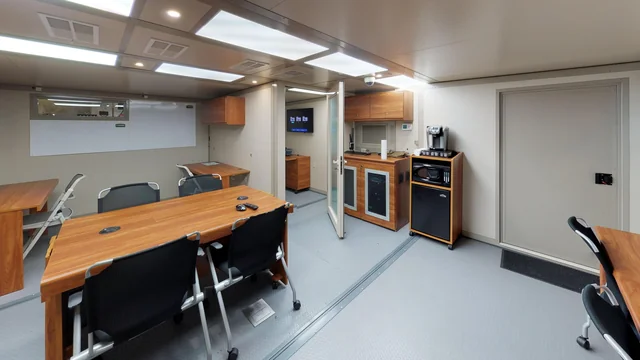
Identify the shelter platform and the interior that will travel with it. Installed systems, furniture, secured equipment and separately packed items belong in the transport discussion. Use the proposed equipped configuration when reviewing the trailer or freight arrangement.
Confirm the transport envelope and handling requirements with FORTS for that package. Show the logistics team the receiving site, including gates, turning space, surface conditions and final location. Review the route from arrival through unloading.
Understand where a Mobilizer fits
FORTS 38 uses a matched mechanical Mobilizer. C-FORTS has a matched hydraulic Mobilizer. These systems can load and unload a compatible single shelter without a forklift, giving the owner a defined way to move that unit between assignments.
Select the Mobilizer with the shelter package and intended use. Establish towing, operator preparation, unloading space and site conditions as part of the plan. The delivered equipment and operating instructions define the procedure for the selected package.
Plan handling for the complete facility
A connected facility brings several units, a placement sequence and site connections into the same move. Decide how each shelter will be delivered, unloaded and positioned, and which handling resources must be present.
Prepared FORTS 38 units support tandem arrangements within that family. C-FORTS has its own prepared tandem configuration. Select the platform and connections together, then establish working space around each position.
- Confirm handling equipment and operators for the actual load.
- Keep delivery access available until all units and support equipment are placed.
- Coordinate utility preparation with the assembly sequence.
Separate unloading, opening and preparing for work
After placement, the shelter needs space for its folding sections and access points. The interior then needs its planned furnishings, equipment and connections. Show these stages separately so the receiving team can prepare the right resources.
Consider other activity continuing at the site. Establish delivery and pedestrian routes, and agree on who coordinates movement during setup.
Include the return journey
Decide how equipment will be secured, services disconnected and the shelter prepared for transport. Record which items travel within the shelter and which need separate packing.
Bring FORTS the application, likely sites and available transport resources to compare a matched single-unit Mobilizer package with a freight and handling plan for a larger facility.
TURN THE PLAN INTO A FACILITY
Bring us your requirements.
You can start with the use, location, people and equipment. We’ll work through the layout, supplied systems and transport with you.
Discuss your projectOr call (954) 949-3200